Energy Healing vs. Reiki: How They’re Related
 Energy Healing vs. Reiki: How They’re Related
Compare energy healing vs Reiki, understand where Reiki fits among complementary modalities, and choose a session that matches your comfort and goals.
The question of “energy healing vs reiki” comes up because the terms are often used side by side. The simplest answer is that energy healing is the broad category, while Reiki is one specific practice within it. Knowing that difference makes it easier to read service menus and book with confidence.
The category and the method
Energy healing is an umbrella phrase for many traditions that work with subtle energy, relaxation, intention, or the body’s felt experience. Reiki is a Japanese-origin practice in which a trained practitioner offers a gentle, structured session, usually with light touch or hands held above the body.
Other practices under the broad umbrella may include Qigong, Therapeutic Touch, sound-based relaxation, chakra balancing, or Polarity Therapy. They overlap in their wellness aims but have different histories, training paths, and session styles. A practitioner who offers “energy healing” may use Reiki alone or combine several approaches.
What a Reiki session tends to feel like
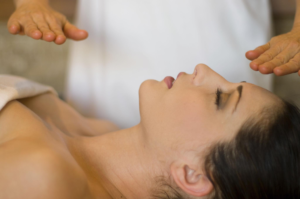
In a 1:1 Reiki session, you usually lie fully clothed on a treatment table or sit comfortably. After discussing consent and your intention, the practitioner moves through a sequence of hand positions or works just above the body. There is no need to perform, meditate perfectly, or report a particular sensation.
Clients commonly describe it as quiet, restful, or emotionally spacious. Others simply enjoy a pause from notifications and responsibilities. Reiki is not a diagnostic procedure, and a responsible practitioner will not claim to identify illnesses or replace medical care.
How other energy sessions may differ
An energy-healing session may be more flexible. It might include breathwork, a body scan, guided visualization, sound, grounding practices, or discussion of energetic boundaries. Some people appreciate that variety; others prefer Reiki’s simple, consistent structure.
When comparing energy healing vs Reiki, ask what will actually happen in the room. Will there be touch? Music? Conversation? Movement? You deserve a clear answer before you book, especially if you are sensitive to sound, have a trauma history, or just prefer a quieter experience.
A practical way to choose
Choose Reiki if you want a calm, mostly nonverbal practice with a recognizable format. Consider a broader energy session if you want a practitioner to blend grounding, intuitive reflection, or several gentle tools. In either case, look for clear training, transparent boundaries, and a willingness to adapt.
Try one session before committing to a series. Afterwards, ask yourself whether you felt respected, more settled, and free to be honest about your experience. That is more useful than chasing a promised “result.”
Before you book
Write down two preferences before you contact a provider: how much touch you are comfortable with, and whether you want silence or guidance. Then ask one direct question: “What will you do during the appointment?” A clear answer tells you more than a broad label ever can. Bring up practical needs as well, including mobility, scent sensitivity, or a wish to stay seated. The right service is the one that makes room for those needs without trying to persuade you that discomfort is part of the process.
Frequently asked questions
Is Reiki the only kind of energy healing?
No. Reiki is one well-known modality, not a catchall name for every energy practice.
Can I receive both?
Yes, if that feels supportive. Ask the practitioner how the services differ and begin with the format that feels least overwhelming.
A gentle next step
If you would like a calm, personalized way to explore this, consider our Energy healing sessions- 1:1 Reiki sessions. We will explain the format, honor your preferences around touch and pacing, and help you decide whether it is a useful next step.