What Is Reiki? A Complete Beginner’s Guide
 What Is Reiki? A Complete Beginner’s Guide
What is Reiki? Learn the basics of this gentle Japanese energy-healing practice, what a session feels like, and how beginners can explore it safely.
If you have wondered what it is or how it works but felt unsure where to start, you are not alone. Reiki is often described in a way that sounds mysterious, yet a first session is usually simple, quiet, and low-pressure. This guide explains the tradition, what practitioners do, and what you can realistically expect.
Reiki in plain language
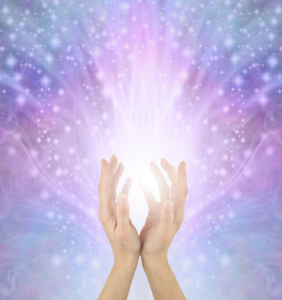
Reiki is a Japanese hands-on healing practice developed by Mikao Usui in the early 1900s. The word is commonly translated as “universal life energy,” although translations vary. In the Reiki tradition, a trained practitioner uses light touch or holds their hands just above the body to support relaxation and the body’s own sense of balance.
It is not a massage. You stay fully clothed, and there is no need to talk through your life story or believe a certain thing for the appointment to be respectful. Many people seek Reiki because they want an unhurried hour to settle their nervous system and check in with themselves.
Reiki is a complementary wellness practice, not medical care. It does not diagnose illness or replace treatment from a licensed medical or mental health professional.
What happens in a Reiki session
A session often begins with a short conversation about your comfort, intentions, and any areas you would prefer not to have touched. You may lie on a treatment table, sit in a chair, or receive this energy healing at a distance. Blankets, pillows, and a calm room are common, but nothing needs to be elaborate.
The practitioner then works through a sequence of hand positions around the head, shoulders, torso, knees, and feet. They may use light touch with permission or keep their hands a few inches away. A typical appointment lasts 45 to 75 minutes, including time to arrive and debrief.
People’s experiences differ. You might notice warmth, tingling, emotion, drifting thoughts, or simply a chance to rest. You may also notice very little during the appointment and still feel calmer afterward. There is no “right” response and no performance required.
What Reiki can and cannot promise
Many clients report feeling deeply relaxed, more grounded, or better able to notice what they need after a session. Those are personal experiences, not guarantees. Research on Reiki is limited and mixed; some small studies suggest it may support relaxation or comfort, but it has not established Reiki as a treatment for medical conditions.
A useful way to approach Reiki is as a supportive pause alongside your regular care. For example, someone preparing for a stressful week might use a session to practice slowing down, then continue with therapy, medication, movement, sleep routines, or medical follow-up as appropriate.
Be especially clear with your practitioner if you are pregnant, recovering from an injury, dealing with trauma, or prefer no touch. A thoughtful practitioner will adapt the session rather than push through your boundaries.
Who may enjoy Reiki
Reiki can be a good fit if you want a quiet, gentle wellness experience and are open to observing how you feel. It may appeal to people who find traditional meditation difficult because the setting offers a little structure and support.
Before booking, ask practical questions:
– Is touch optional, and how is consent handled?
– How long is the session, and what is included in the price?
– Is the practitioner trained in a recognized Reiki lineage?
– Can you remain clothed, seated, or bring an accessibility need?
You do not need prior knowledge, special clothing, or a perfectly clear intention. Curiosity is enough.
FAQ
Do you have to believe in Reiki for it to work?
No belief test is required. You can approach a session as an experiment in rest and personal awareness. A reputable practitioner should welcome thoughtful questions and never pressure you to accept claims that do not feel right.
Is Reiki connected to a religion?
Reiki has roots in Japan and is practiced by people with many religious, spiritual, and secular viewpoints. A practitioner may have personal spiritual beliefs, but a session should not require you to adopt them.
Can I learn this healing modality myself?
Yes. Reiki courses commonly begin with Level 1, which introduces self-practice, basic hand positions, and the history and ethics of the practice.
A gentle next step
The clearest answer is often your own calm, well-supported experience. If you would like to explore, book a 1:1 Reiki session; if the practice resonates, consider a Reiki certification course to learn a grounded self-practice.