Guided Meditation vs. Silent Meditation: Which Is Right for You
 Guided Meditation vs. Silent Meditation: Which Is Right for You
Compare guided vs silent meditation, learn what each practice offers, and choose a starting point that suits your attention, schedule, and goals.
The guided vs silent meditation question is less about picking the “better” practice and more about choosing the support you need today. One uses a teacher’s voice to direct attention; the other gives you space to practice self-guidance. Both can build awareness, and many people use a mix of the two.
The practical difference between the two
In a guided meditation, a teacher or recording offers prompts such as “notice your breath” or “relax your shoulders.” The structure can make the first few minutes less intimidating and is useful when your mind feels crowded. Themes may include grounding, compassion, sleep, or a body scan.
Silent meditation has little or no verbal instruction after you begin. You choose an anchor and notice what happens. It can feel spacious and flexible, but it also asks you to remember the basic move: notice, return, repeat. Silence is not automatically more advanced; it is simply less externally directed.
Use this simple decision guide
1. **Choose guided practice when you need a doorway.** Try it if you are new, tired, anxious about doing it correctly, or working with a specific intention.
2. **Choose silent practice when you want fewer inputs.** It may suit you if voices distract you, you know the basics, or you want to sit with sound and sensation as they are.
3. **Match the format to the moment.** A ten-minute recording can work on a busy morning; three silent breaths can work in a meeting break.
4. **Test each option for a week.** Notice whether you show up, not whether you achieve perfect calm.
5. **Let your preference change.** Someone may use guided practice for months, then enjoy silent sitting, then return to guidance during a stressful season.
What a class can add
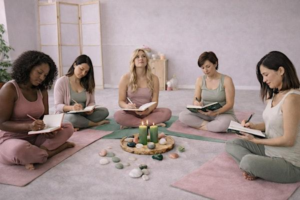
A well-held class offers more than a recording: a beginning and ending, room for questions, and the steadying effect of practicing alongside others. The teacher can offer options for posture and invite a softer approach if difficult feelings arise. That said, solo practice can be wonderfully personal and convenient.
For guided vs silent meditation, consider your goal. If you want to learn the mechanics, guided instruction may save frustration. If you want to strengthen trust in your own attention, brief silent sessions can be a natural next step. Neither format replaces individualized mental health care when that is what you need.
Try both without pressure
Make the comparison concrete. On three days, use the same five-minute guided practice; on three other days, sit silently with a breath-counting anchor. Keep notes on practical questions: Did I begin easily? Did I stay with it? Did I leave feeling more settled, neutral, or irritated? The answer may change with your sleep, stress, and environment. Treat preference as useful feedback, not a personality label. With guided vs silent meditation, a flexible mix is often more sustainable than insisting on one “right” method.
Your needs can also change within a single week. Keep one reliable guided option and one simple silent anchor available, so the choice stays practical instead of becoming another decision to overthink.
Frequently asked questions
Can I combine both in one session?
Yes. Listen to a five-minute guided settling practice, then sit quietly for another five minutes.
Are guided meditations distracting?
They can be if the voice, music, or pace does not suit you. Try a different teacher or a recording with more silence.
How long should I try a format before deciding?
Give it several sessions. One restless day is not a reliable verdict.
Explore our guided meditation sessions/classes if you would like supportive instruction while you learn. You can use class as a foundation and build a simple silent practice at home.